

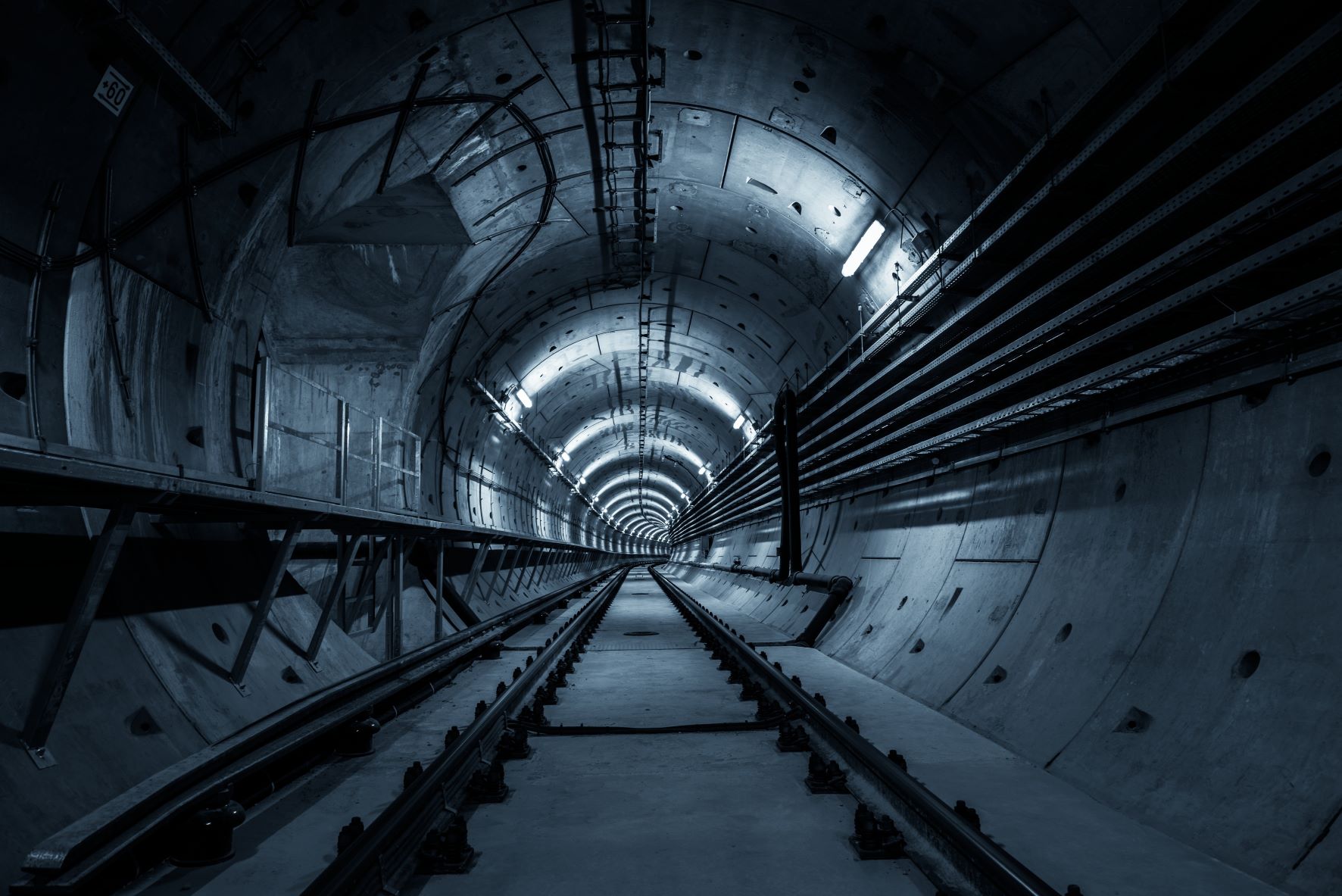
A tunnel project is not managed through isolated tasks, but through controlled progression of excavation fronts.
Geotechnical constraints, evolving construction methods, restricted access:
a sequencing error can quickly impact the entire operation.
A tunnel project is characterized by:
multiple and evolving excavation fronts
production rates influenced by geological conditions
strongly interdependent phases (excavation, support, lining)
constrained logistical access
continuous coordination between specialized teams
Planning must reflect not only what is executed, but also where the tunnel progresses, at what speed, and with which resources.
In tunnel construction, what is not anticipated in the schedule will eventually slow down progress.
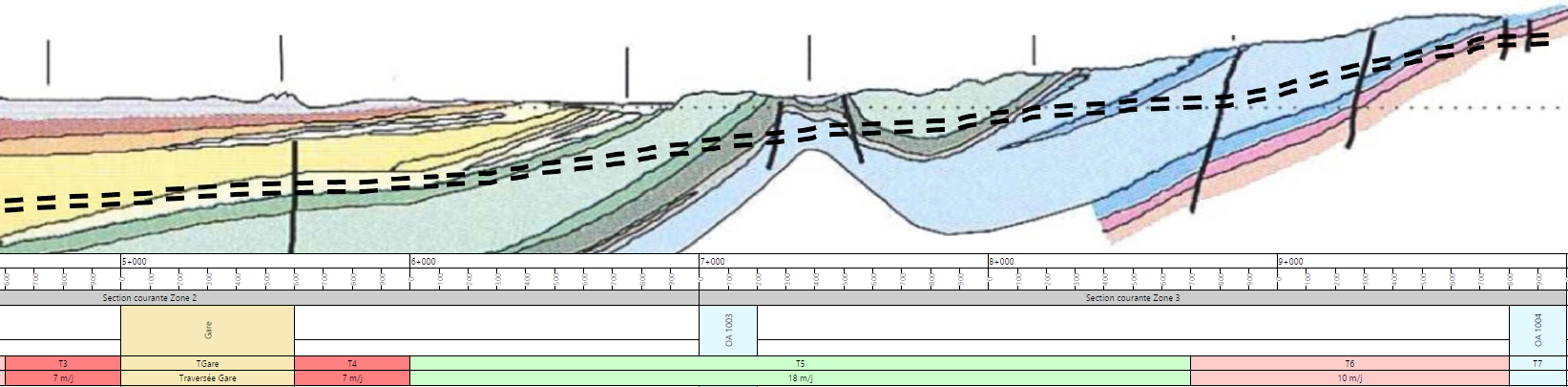
A purely time-based schedule:
hides the real progression along the alignment
does not clearly show distances between fronts
disconnects production rates from geological constraints
makes logistical conflicts harder to anticipate
Result:
The schedule becomes difficult to use as a true operational control tool.
A delay on one excavation front may not immediately appear in a traditional Gantt chart — until it impacts the entire project.
tout le projet.
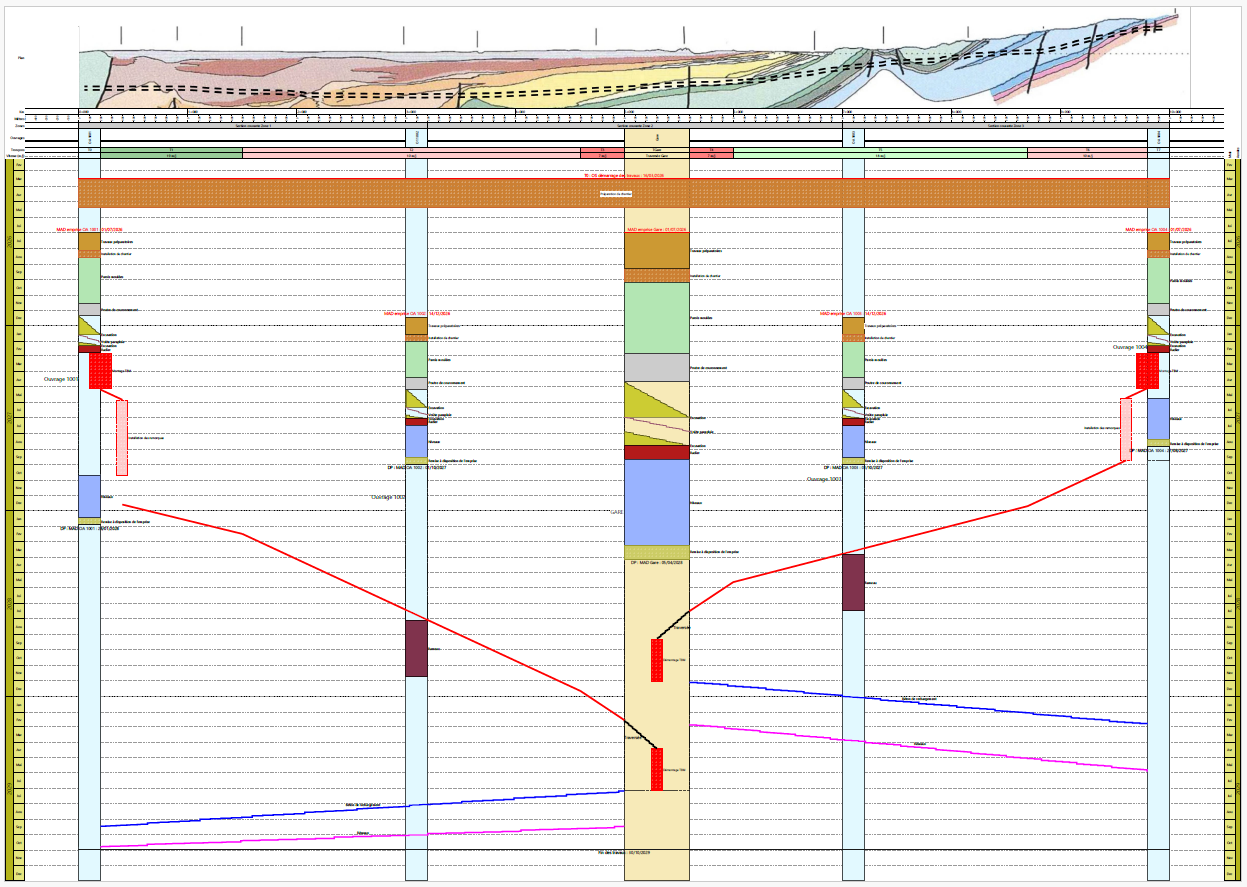
With TILOS 360, the tunnel project is planned:
along the actual project alignment
by integrating excavation fronts and their progression rates
- sequencing of construction methods
identification of co-activity zones
- and consideration of geotechnical constraints
Each activity is positioned simultaneously:
in time
in distance
and in relation to other tunnel phases
The schedule becomes a precise tool for managing production rates and interfaces.